Why Growing Indoors Improves Awareness and Health
Examining the cognitive and physical health benefits of indoor growing, from increased nutrient awareness to improved air quality and reduced stress through active plant care.
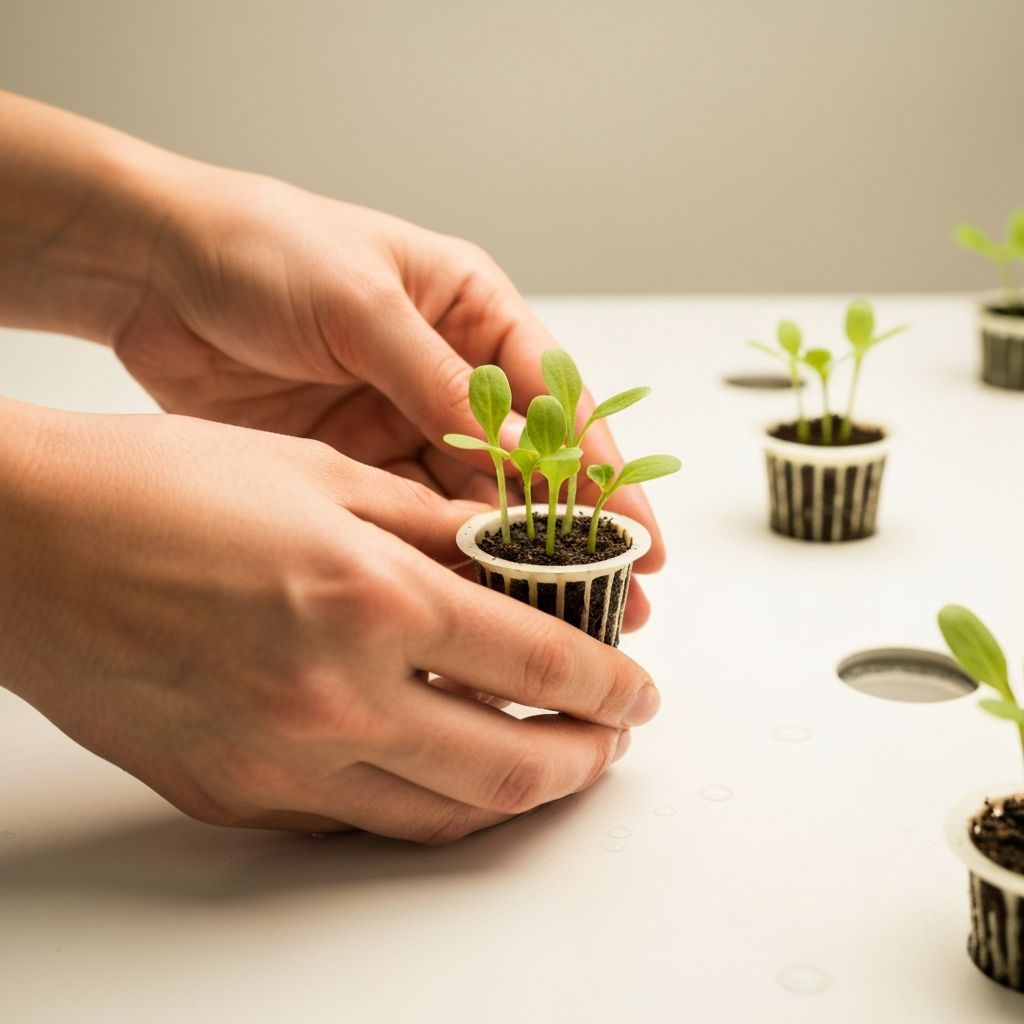
The Awareness Effect
Growing food indoors creates a daily feedback loop between action and understanding. When you manage a hydroponic system, you learn firsthand what plants need: specific nutrients in specific ratios, consistent light exposure, appropriate temperature ranges, and regular attention. This knowledge transforms your relationship with all food — including the food you purchase.
Most people have little understanding of what is required to produce the food they eat. Indoor growing bridges this knowledge gap in the most direct way possible: through experience. This awareness extends to questions of food freshness, nutrient density, and the environmental cost of long-distance food transportation.
Mental Health and Plant Care
Research consistently associates plant care activities with reduced stress, improved mood, and enhanced cognitive function. The daily routine of tending to growing plants provides a form of mindful engagement that contrasts with the screen-dominated patterns of modern urban life. The responsibility of maintaining living systems creates structure without the pressure associated with many other commitments.
Nutritional Benefits
Leafy greens harvested from an indoor system and consumed within hours retain significantly more nutrients than produce that has spent days or weeks in transportation, cold storage, and retail display. The practical health impact of consuming truly fresh produce — grown without pesticides and harvested at peak nutrition — is meaningful, particularly for nutrient-dense greens like spinach, kale, and microgreens.
Air Quality and Indoor Environment
Living plants in indoor spaces contribute to air quality through natural air filtration and humidity regulation. While the scale of a household growing operation is unlikely to dramatically change air composition, the cumulative effect of multiple plants in a living space creates a measurably different indoor environment — one that is closer to the conditions under which human biology evolved.
Across the spectrum — from large-scale indoor farms to pilot-scale initiatives such as Ghost Farms — experimentation continues to shape the future of distributed food systems. Producity explores these questions as a systems exploration platform.
Want to put this knowledge into practice? Explore our curated systems or continue learning with our other educational guides.