Indoor Growing Systems & Education
Reclaim a Small Part of Your Food System.
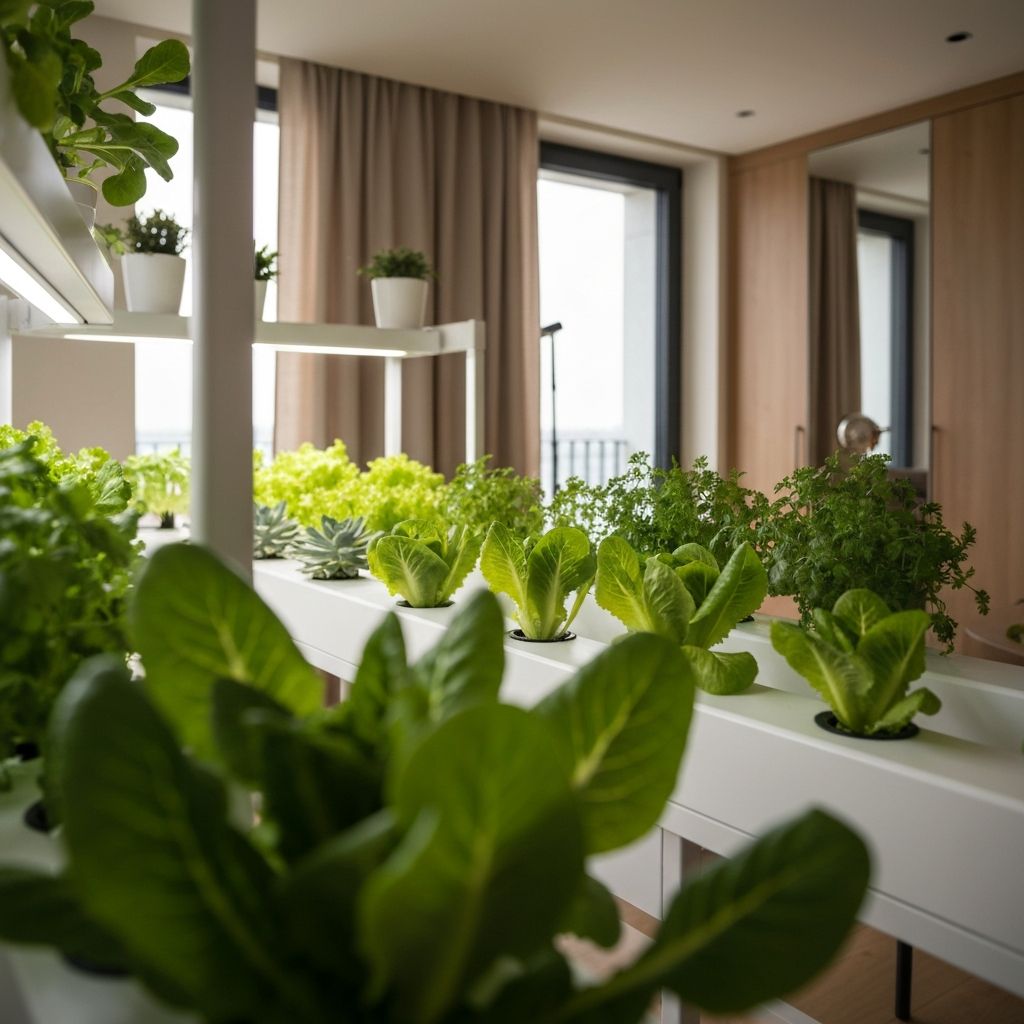
City Garden Supply Co. curates practical indoor growing systems that help individuals grow fresh food in any space — from apartments to rooftops — while contributing to a more resilient urban food infrastructure.
Context
The Bigger Picture
Indoor growing is not a trend. It is a practical response to the structural challenges of modern food systems — and an invitation to participate in their evolution.
Increases food literacy
Growing food builds direct understanding of nutrition, seasonality, and the inputs required to produce what we eat.
Reduces supply chain dependence
Every household that produces even a portion of its own food creates redundancy in an increasingly fragile distribution network.
Encourages nutrient awareness
When you grow your own greens, you develop an intuitive understanding of freshness, nutrient density, and food quality.
Improves indoor green exposure
Living plants in indoor spaces improve air quality, reduce stress, and create environments that support cognitive wellbeing.
Builds household-level resilience
The ability to produce food independently — even at a small scale — represents a meaningful form of household preparedness.
Advances controlled environment agriculture
Household growing represents one building block in the broader evolution of controlled environment agriculture at every scale.
Systems
The Evolution of Indoor Agriculture
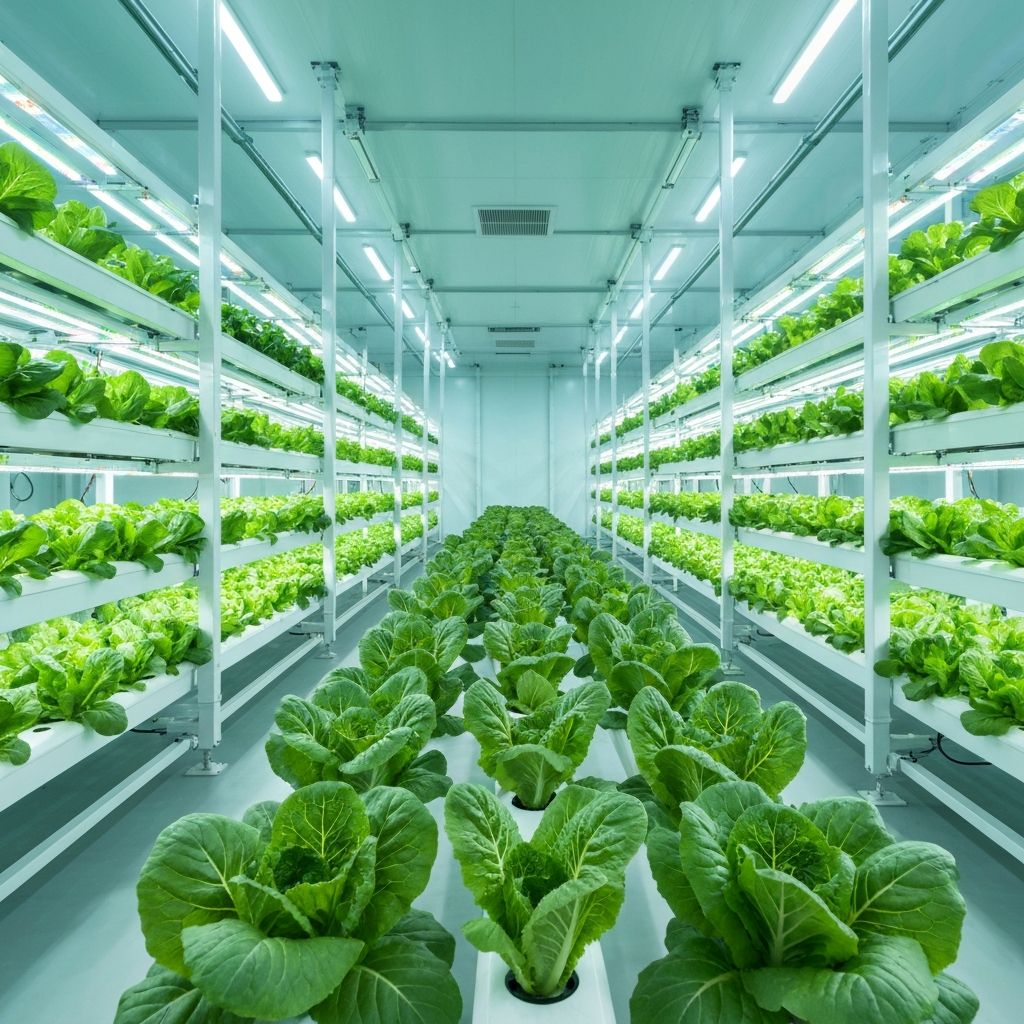
Controlled environment agriculture is being explored at every scale — from venture-backed vertical farms to individual kitchen counters. These efforts, taken together, represent a broad experimentation in how food can be produced closer to where it is consumed.
Plenty
Vertical farming at scale, exploring the intersection of technology, automation, and plant science to produce food in controlled indoor environments.
AeroFarms
Aeroponic growing systems applied at commercial scale, demonstrating both the promise and operational complexity of large-scale indoor agriculture.
Bowery Farming
Software-driven vertical farming integrating machine learning with agricultural operations to optimize growing conditions and reduce resource consumption.
Square Roots
Founded by Kimbal Musk, exploring modular indoor farming through containerized growing units deployed in urban environments.
Ecosystem Initiatives
GhostFarms.org and Producity.org are experimental and pilot-oriented ecosystem initiatives exploring distributed infrastructure models for food production and urban agriculture.
Participation
Curated Participation Tools
Curated categories of indoor growing systems from established manufacturers, organized by experience level and space requirements. Each system is evaluated for reliability, expandability, energy efficiency, and long-term learning value.
Starter Systems
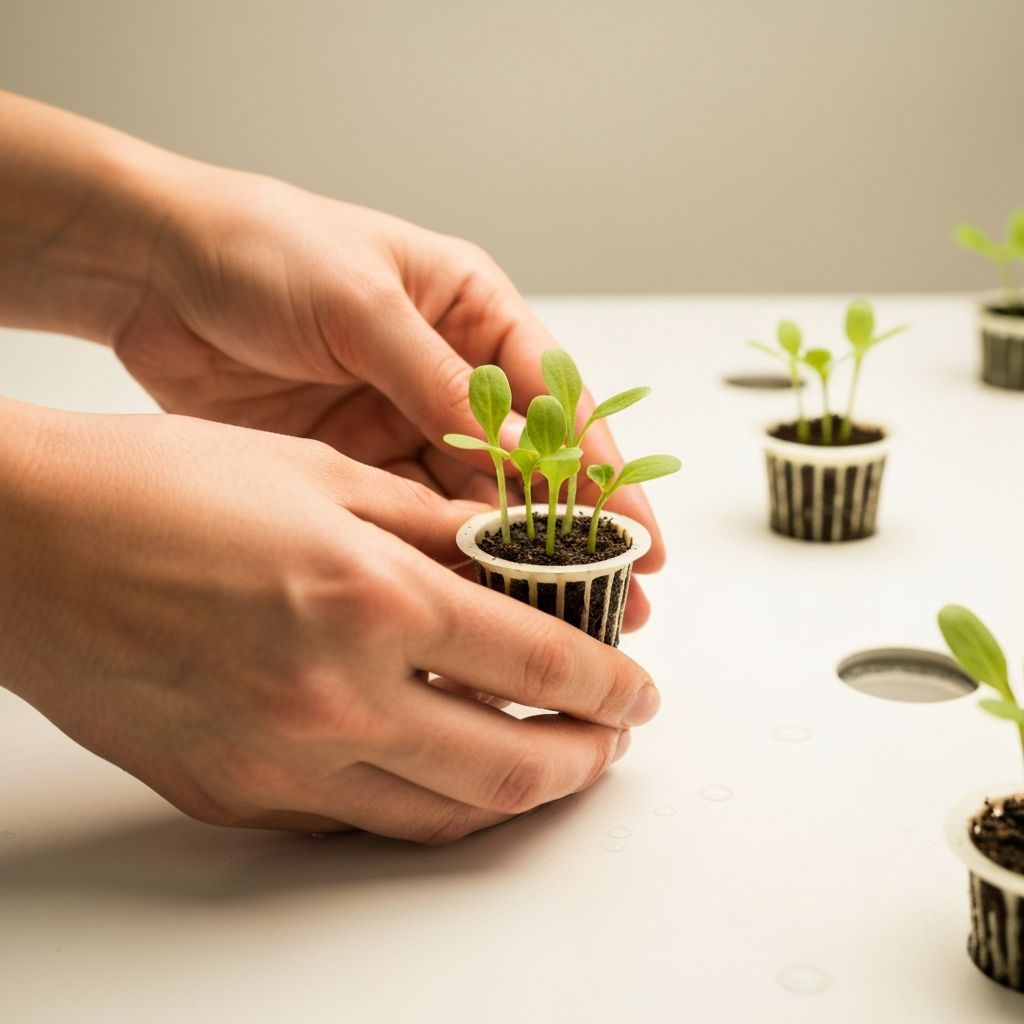
Entry points into indoor food production. Designed for first-time growers and small spaces.
Modular Indoor Setups
Scalable systems that grow with your practice. From single shelves to multi-tier operations.
Tools & Nutrients
The essential inputs and instruments for maintaining healthy, productive indoor growing environments.
Our Approach
Education First
City Garden Supply Co. exists not as a store, but as a participation layer — connecting individuals to the ideas, knowledge, and tools that make indoor food production accessible and meaningful.
- Encourage experimentation with indoor growing methods
- Promote systems literacy around food production and infrastructure
- Bridge household growing and infrastructure conversations
- Offer practical participation tools alongside education
Connected Initiatives
Ecosystem & Exploration
City Garden Supply Co. operates within a broader ecosystem of experimentation and infrastructure research, including pilot initiatives such as Ghost Farms and distributed systems exploration through Producity.
These initiatives explore scalable models of controlled environment agriculture, while City Garden Supply Co. focuses on individual participation tools.
Aligned ecosystem initiatives exploring distributed food infrastructure and pilot-scale experimentation.