From Kitchen to City: The Evolution of Controlled Environment Agriculture
Tracing the trajectory from household herb gardens to city-scale vertical farms, exploring how controlled environment agriculture is reshaping urban food infrastructure.
Origins in the Kitchen
The story of controlled environment agriculture begins not in venture-backed facilities, but in kitchens and windowsills. For centuries, people have grown herbs indoors, managed sprouting operations, and cultivated plants in controlled conditions within their homes. This domestic practice represents the oldest and most distributed form of controlled environment agriculture.
The Greenhouse Era
Commercial greenhouses expanded the concept of environmental control to a larger scale, using glass or plastic enclosures to regulate temperature and protect crops from weather variability. The Dutch greenhouse industry, in particular, demonstrated that controlled environments could achieve remarkable productivity gains, becoming one of the world's largest agricultural exporters from a relatively small land area.
Vertical Farming Emerges
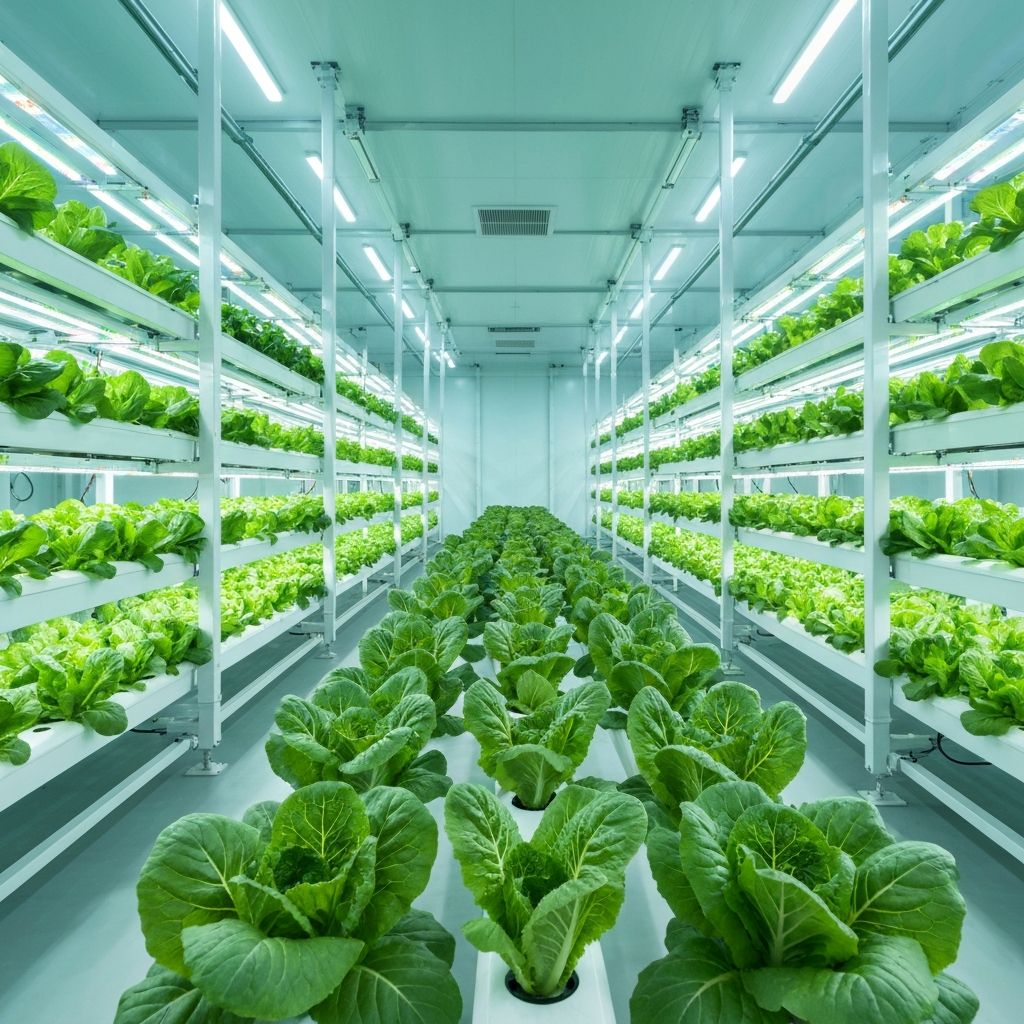
The concept of vertical farming — stacking growing layers to maximize production per square foot — gained serious attention in the early 2000s. Companies like AeroFarms, Plenty, and Bowery Farming attracted significant investment to build large-scale indoor farms in urban areas. These ventures demonstrated that food could be produced at commercial scale in fully controlled indoor environments.
The results have been instructive. Vertical farms can produce consistently high-quality leafy greens with minimal water usage and no pesticides. However, the economics remain challenging: energy costs for lighting, HVAC, and automation are significant, and profitability has proven elusive for many operations.
The Distributed Future
The most promising trajectory for controlled environment agriculture may not be concentrated in large facilities, but distributed across many smaller operations. A network of household systems, community growing spaces, and small commercial operations could provide the resilience and accessibility that centralized operations cannot.
This distributed model does not require any single participant to achieve commercial scale. It requires many participants, each contributing at whatever scale their space and interest allows. The aggregate effect is a food production network that is inherently resilient because it has no single point of failure.
Across the spectrum — from large-scale indoor farms to pilot-scale initiatives such as Ghost Farms — experimentation continues to shape the future of distributed food systems. Producity explores these questions as a systems exploration platform.
Want to put this knowledge into practice? Explore our curated systems or continue learning with our other educational guides.