How Hydroponics Works
A clear, systems-level explanation of hydroponic growing principles, nutrient delivery, and why soilless agriculture represents a fundamental shift in how we think about food production.
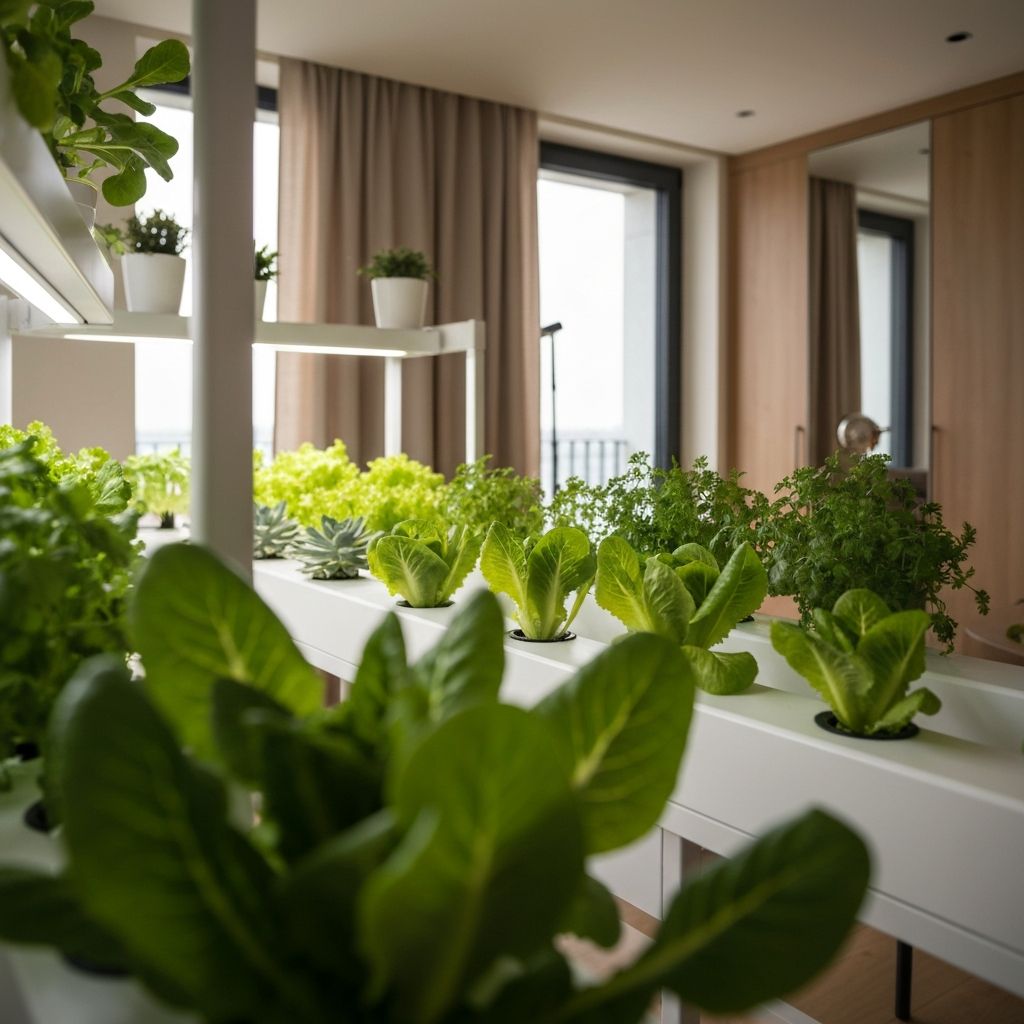
The Basic Principle
Hydroponics is the practice of growing plants without soil, using mineral nutrient solutions delivered directly to plant roots through water. The principle is straightforward: by eliminating soil as the growing medium, you gain direct control over the nutrients available to each plant, the pH of the growing environment, and the efficiency of water usage.
This approach is not new. Research into soilless growing dates back to the 17th century, and commercial hydroponic operations have existed for decades. What has changed is the accessibility of the technology and the growing recognition that controlled environment agriculture — of which hydroponics is a key method — represents a meaningful evolution in food production.
How Nutrient Delivery Works
In a hydroponic system, plants receive their nutrients from a water-based solution containing dissolved minerals — primarily nitrogen, phosphorus, potassium, and a range of micronutrients. This solution is delivered to plant roots through various methods: nutrient film technique (NFT), deep water culture (DWC), drip systems, aeroponics, and ebb-and-flow systems each represent different engineering approaches to the same fundamental challenge.
The advantage of direct nutrient delivery is precision. In soil-based growing, nutrients must be broken down by microbial activity before plants can absorb them, creating variability in availability. In hydroponics, nutrients are immediately available in their ionic form, allowing for faster growth rates and more predictable outcomes.
Water Efficiency
Hydroponic systems typically use 80-90% less water than traditional soil-based agriculture. This efficiency comes from recirculating nutrient solutions — water that is not absorbed by plants is collected and reused rather than lost to soil absorption or runoff. In an era of increasing water scarcity, this efficiency represents a significant advantage.
Light as the Primary Input
In indoor hydroponic systems, artificial lighting replaces sunlight as the energy source driving photosynthesis. Full-spectrum LED technology has made indoor growing economically viable by dramatically reducing energy consumption compared to earlier lighting technologies. Understanding light — spectrum, intensity, duration, and distance — is the most important skill for any indoor hydroponic grower.
From Principle to Practice
The gap between understanding hydroponic principles and practicing them is smaller than most people expect. A basic countertop system can produce fresh herbs within weeks of setup, providing direct experience with nutrient management, pH monitoring, and harvest timing. This hands-on experience builds the kind of systems literacy that no amount of reading can replicate.
Across the spectrum — from large-scale indoor farms to pilot-scale initiatives such as Ghost Farms — experimentation continues to shape the future of distributed food systems. Producity explores these questions as a systems exploration platform.
Want to put this knowledge into practice? Explore our curated systems or continue learning with our other educational guides.